Four tables, two ways to look at them.
You can take in the main room two ways: as four tables on a raked floor, or as the last piece of a 1930s picture theatre still doing its job under a different name.
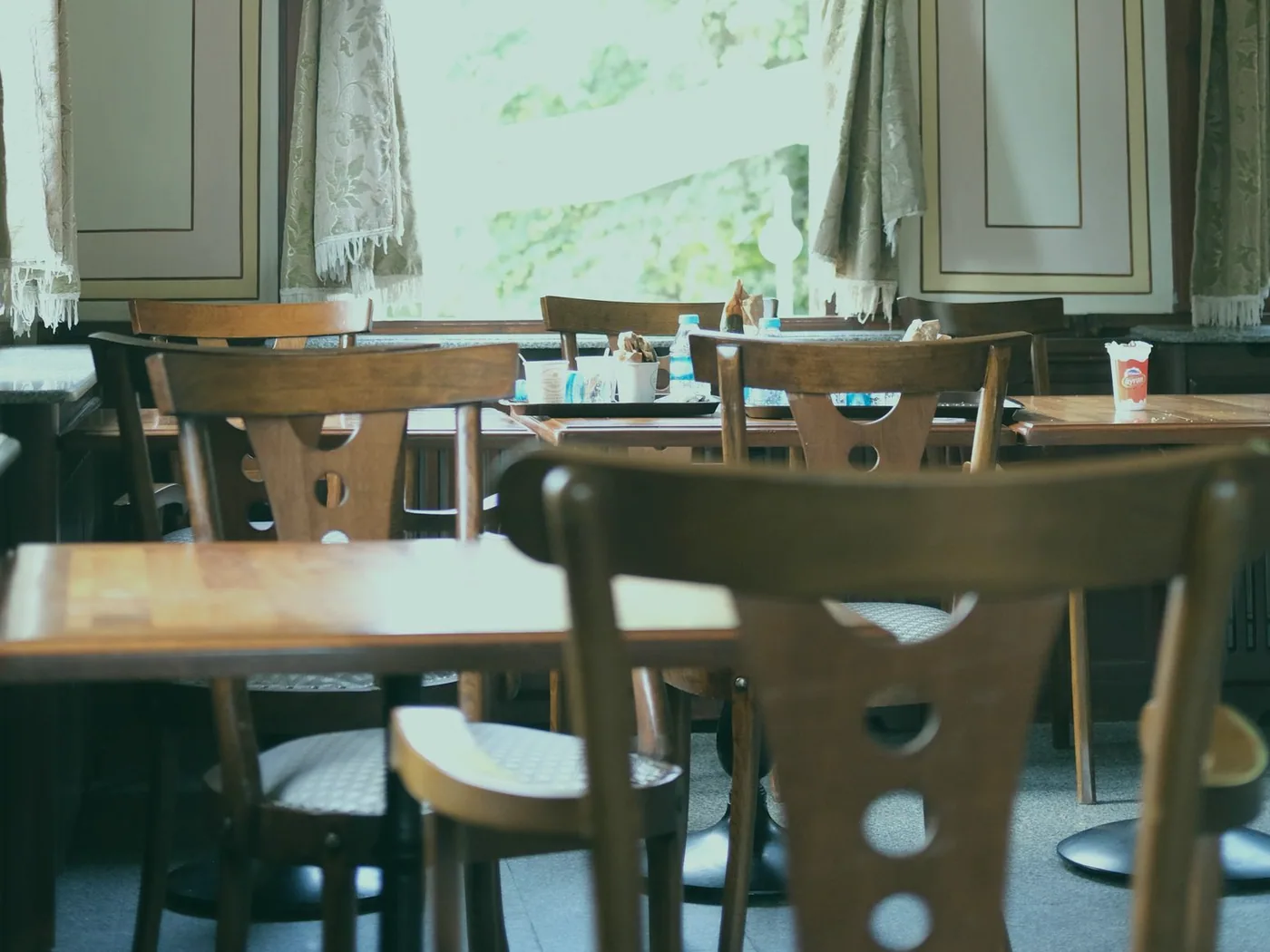
Four tables, close enough to feel like one room.
You will find the tables set close together, close enough that the room feels like a single space rather than four separate tables running side by side.
You will always find one house dealer working all four tables, moving between Texas Hold'em and Omaha as the evening asks for it.
You can still see the old proscenium arch above where the screen used to hang, framing the room rather than a film these days.
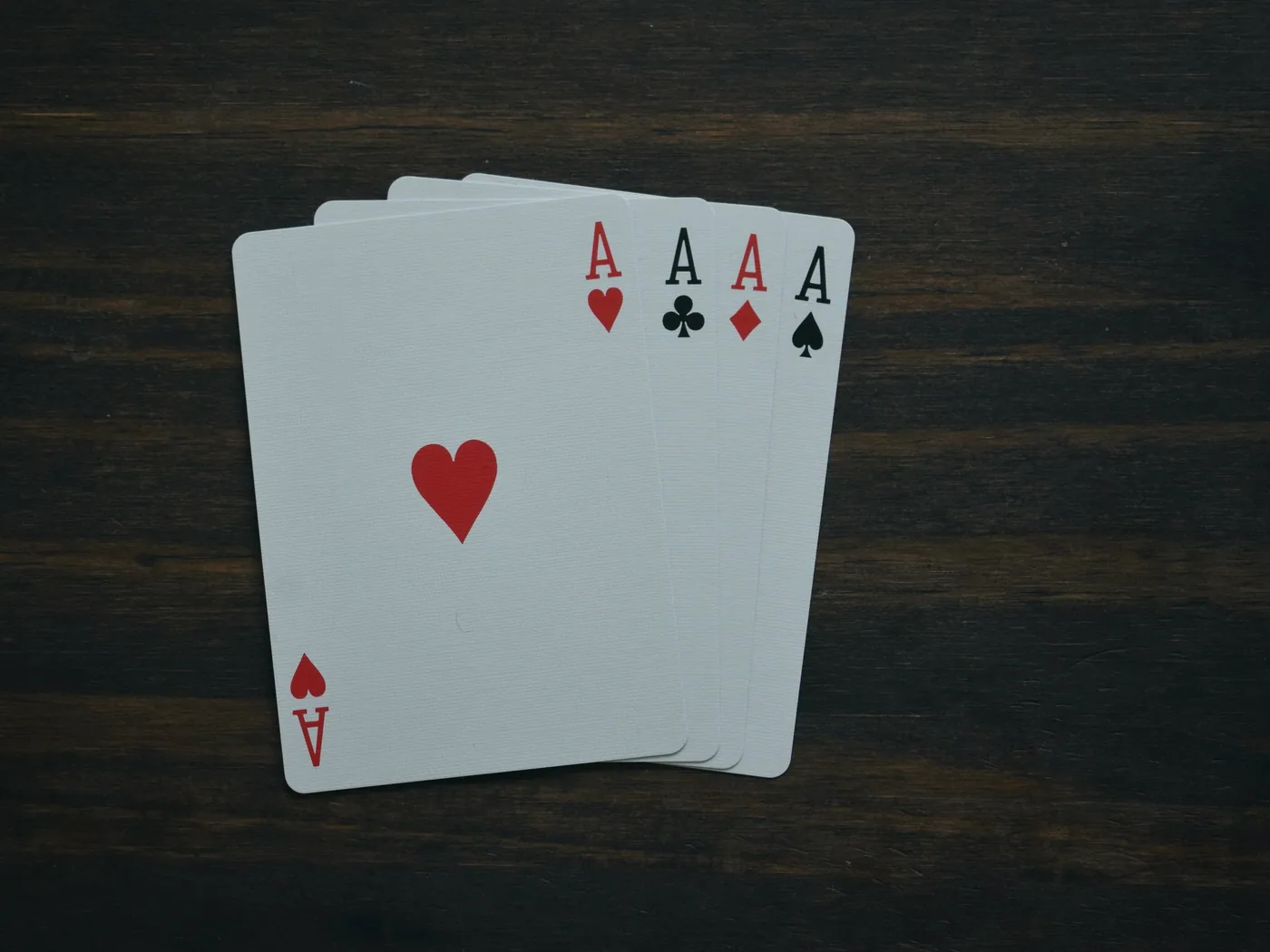
Table spacing
Four tables close enough to feel like one room
The dealer
One house dealer, moving between all four tables
One screen, once; four tables, now.
You can still read the building's first life in its bones: the raked floor that once helped an audience see the screen, and the proscenium arch that once framed it.
You will find the back row of tables sitting a little higher than the front for exactly that reason — nobody saw much point in levelling a floor that still works perfectly well for poker.
You will notice the marquee outside doing the same job it always did, just announcing a poker room instead of whatever was showing that week.
The floor
The original raked floor, unchanged since the cinema years
The marquee
Still lit above the entrance most evenings